
Expert Picks for Fire Sprinkler System Installation Essentials
Choose from a curated list of essential products that support efficient, compliant, and durable fire sprinkler system setups.
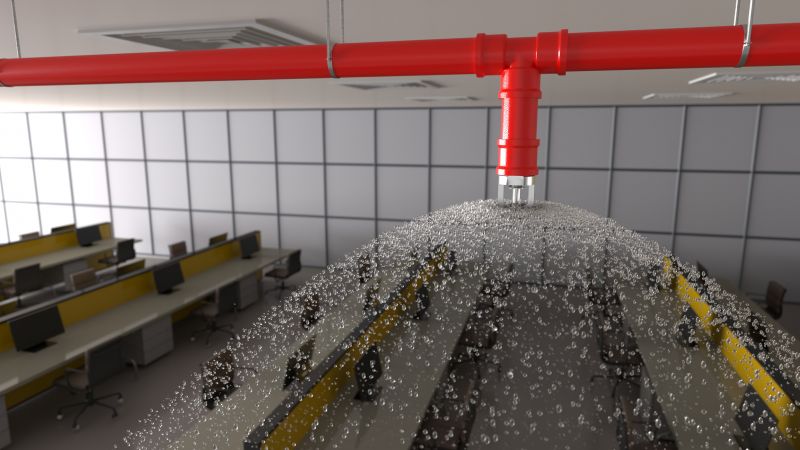 Fire sprinkler systems are essential components of building safety infrastructure, designed to activate in the event of a fire to help control or extinguish flames. Installing these systems requires a variety of specialized products that ensure proper functionality, compliance with safety standards, and reliable operation. From the initial planning stages to final installation, selecting the right products is crucial for creating an effective fire protection system. These products include a broad range of fittings, valves, pipes, and detection devices, each serving a specific purpose within the sprinkler network.
Top Overall Option
Fire Sprinkler System Components Kit
A versatile and comprehensive collection of essential fire sprinkler components designed for reliable installation and operation. This kit typically includes fittings, valves, pipes, and accessories that meet industry standards, making it suitable for various building types and system configurations.
Types of Products For Fire Sprinkler Installations
Sprinkler Head Assemblies
Devices that release water when activated by heat, available in various styles for different coverage needs.
Alarm Valves
Valves that detect flow and pressure changes to trigger alarms during system activation.
Flow Switches
Devices that monitor water flow within the system and send alerts if abnormal activity occurs.
Pressure Gauges
Instruments used to monitor system pressure levels for optimal operation and maintenance.
Fittings and Couplings
Connectors and joints that ensure secure and leak-proof pipe connections throughout the system.
Pipes and Tubing
High-quality pipes made from steel, brass, or plastics designed to withstand system pressures.
Drain Valves
Valves that allow for system maintenance and drainage without disrupting operation.
Escutcheons and Covers
Protective covers that conceal pipe penetrations for aesthetic and safety purposes.
Sprinkler System Insulation
Materials used to insulate pipes and components against temperature fluctuations.
Control Panels
Centralized units that monitor system status and control activation sequences.
Detection Devices
Sensors that detect heat, smoke, or flame to initiate system response.
Test and Drain Assemblies
Equipment used during system testing and maintenance to ensure proper function.
Popular Choices
Various styles designed for different coverage areas and fire risks, commonly used in installations.
Valves that activate alarms upon detecting flow, essential for early fire detection systems.
Monitoring devices that alert to unusual water flow patterns during system operation.
Critical for maintaining correct system pressure and diagnosing potential issues.
Essential connectors that ensure seamless pipe connections within the system.
Durable piping options suitable for high-pressure environments in fire sprinkler systems.
Facilitate maintenance and system drainage to prevent corrosion and ensure readiness.
Protective covers that improve aesthetics and safety of exposed piping.
Automated control units that coordinate system activation and monitoring.
Sensors that provide early warning signals for fire detection and system activation.
Properly chosen components must meet industry standards for durability, corrosion resistance, and ease of installation. Materials like steel, brass, and specialized plastics are commonly used to withstand high pressure and environmental factors. Additionally, accessories such as pressure gauges, flow switches, and alarm valves are vital for monitoring system performance and ensuring timely alerts in case of activation. When selecting products, it’s important to consider compatibility with existing infrastructure, ease of maintenance, and adherence to local fire safety codes.
Installation of fire sprinkler systems is a meticulous process that benefits from high-quality products designed for longevity and reliable operation. Ensuring that all components are compatible and meet safety standards helps prevent failures and costly repairs in the future. Regular inspections and maintenance, supported by the right selection of products, can extend the lifespan of the system and enhance overall safety. Whether for new construction or retrofit projects, understanding the range of available products can streamline the installation process and improve system performance.
In summary, choosing the appropriate products for fire sprinkler installations involves understanding the different types of components available, their specific functions, and the standards they must meet. A comprehensive approach to selecting these products can help create a robust fire protection system tailored to the needs of any building environment. Careful consideration and expert guidance are recommended to ensure optimal safety and compliance throughout the installation process.
Key Buying Considerations
- Compatibility with existing fire safety standards and codes in your region.
- Material durability and resistance to corrosion or environmental factors.
- Ease of installation and compatibility with system design plans.
- Availability of replacement parts and ease of maintenance.
- Pressure ratings and flow capacity suited to the building's size and fire risk.
- Type of sprinkler heads suitable for different ceiling heights and coverage needs.
- Integration capabilities with alarm and control systems.
- Manufacturer reputation and product certification standards.
- System scalability for future expansion or upgrades.
- Cost considerations balanced with quality and reliability.
- Ease of access for inspections and routine maintenance.
- Compatibility of fittings and pipes with other system components.
- Warranty and support services offered by suppliers.
- Compliance with local fire safety regulations and standards.
- Availability of testing and diagnostic equipment.