
Optimal Timing for Fire Sprinkler Installation
Determining the optimal time for fire sprinkler installations involves considering factors such as building occupancy, construction phases, and safety regulations. Installing sprinklers during initial construction minimizes disruptions and allows for seamless integration into the building's design. Retrofitting existing structures may require planning around occupancy schedules and existing systems.
Installing fire sprinklers during the early stages of construction ensures proper integration and reduces future retrofit costs.
Timing installations when the building is unoccupied minimizes operational disruptions and safety risks.
Installing when regulations permit ensures adherence to safety standards and avoids costly modifications later.
Retrofitting is best scheduled during renovation periods to minimize impact on daily operations.
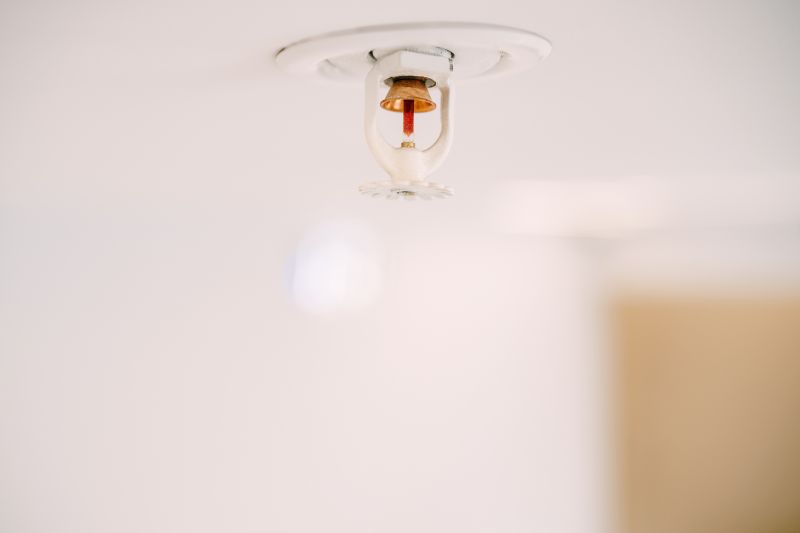
Early installation allows for seamless integration into building design.
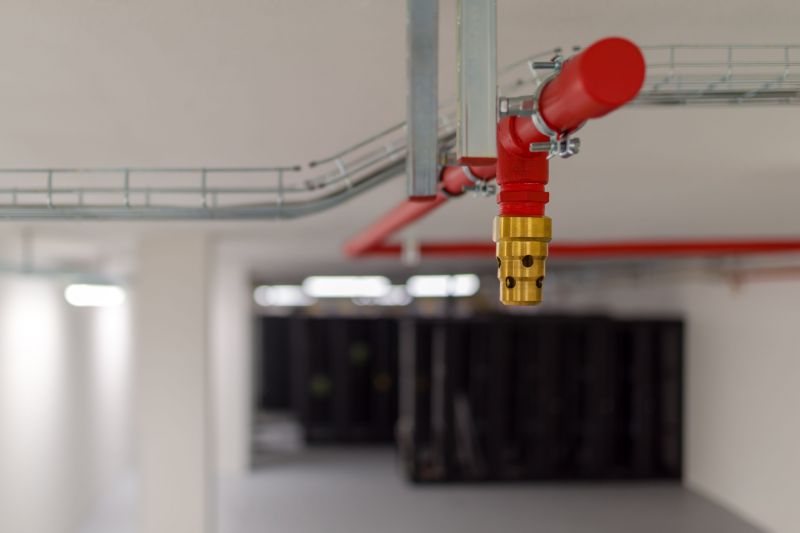
Retrofitting requires careful planning during renovation phases.
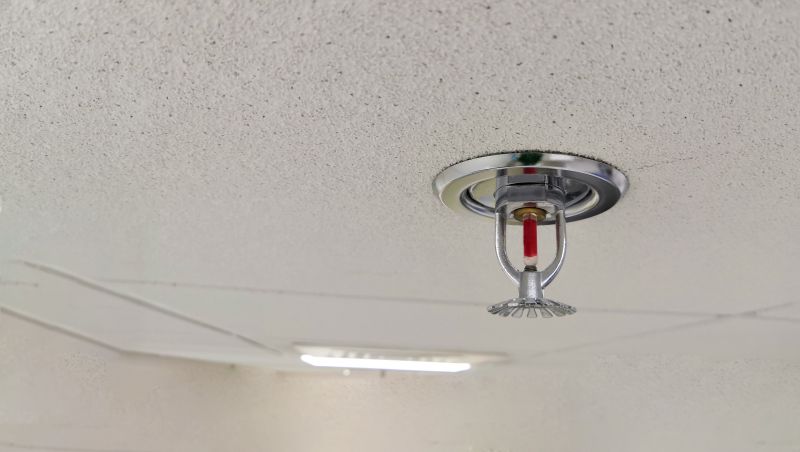
Timing with safety inspections ensures compliance.
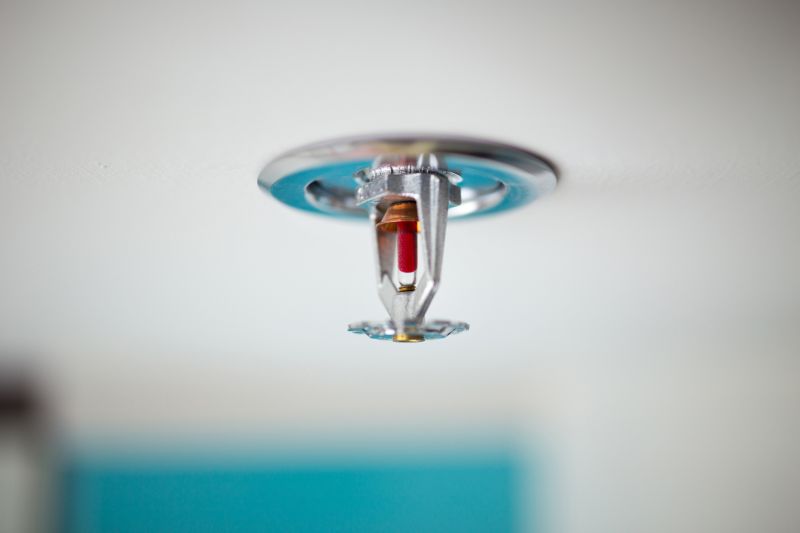
Ways to make Fire Sprinkler Installations work in tight or awkward layouts.
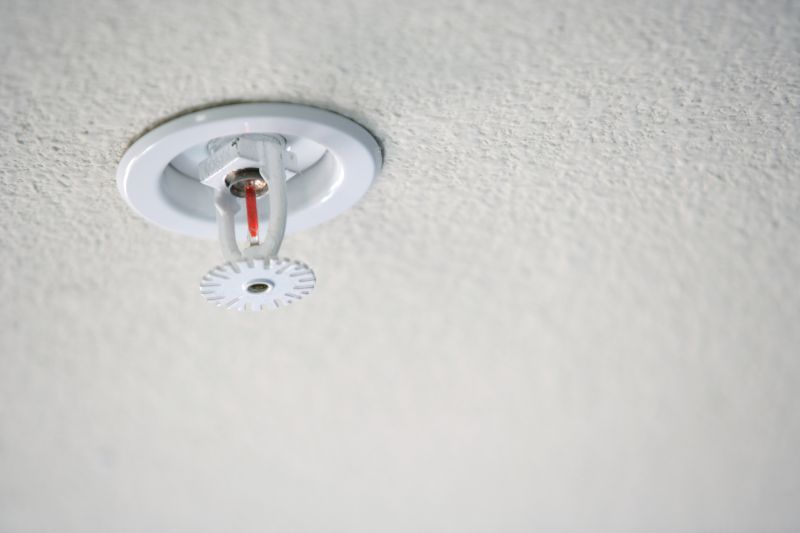
Popular materials for Fire Sprinkler Installations and why they hold up over time.

Simple add-ons that improve Fire Sprinkler Installations without blowing the budget.
Fire sprinkler installations are a critical component of building safety, providing rapid response to fires and reducing property damage. Modern sprinkler systems are designed to activate automatically, often within seconds of detecting heat or fire. Statistics indicate that buildings equipped with sprinkler systems experience significantly lower fire-related injuries and fatalities. Installation methods vary depending on the building type, size, and existing infrastructure, with options including wet, dry, pre-action, and deluge systems.
| Aspect | Details |
|---|---|
| Optimal Timing | During initial construction or renovation phases. |
| Occupancy Consideration | Schedule during unoccupied periods to minimize disruption. |
| Regulatory Compliance | Install when building codes and safety standards are met. |
| Retrofitting | Plan during renovation to avoid operational impact. |
| Cost Efficiency | Early installation reduces future retrofit expenses. |
| Safety Regulations | Coordinate with safety inspections. |
| Building Type | Different approaches for commercial, residential, or industrial buildings. |
| System Type | Wet, dry, pre-action, or deluge systems influence timing. |
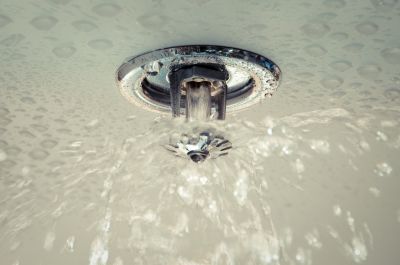
Installation during construction ensures integration.
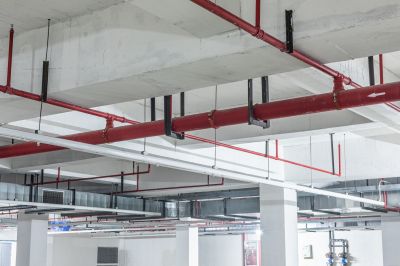
Upgrading existing systems during renovation.
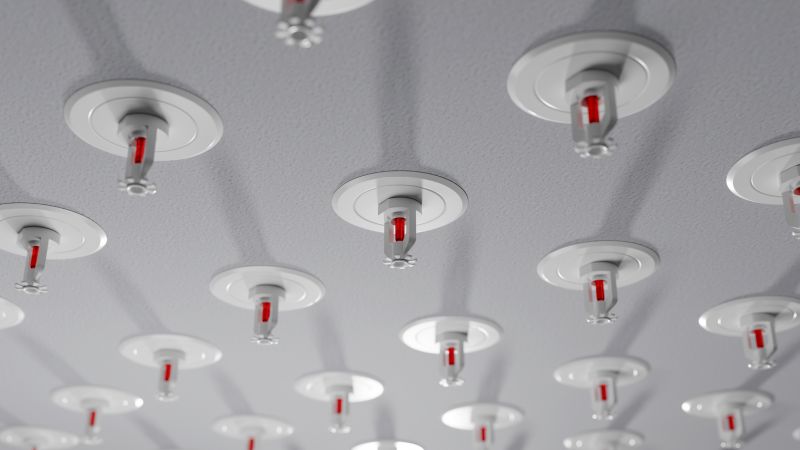
Ensuring systems meet safety standards.
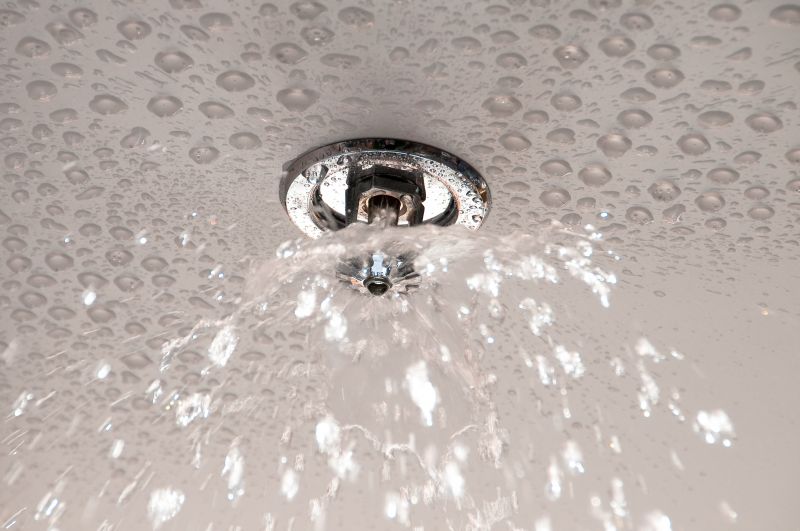
Fully operational system ready for safety.
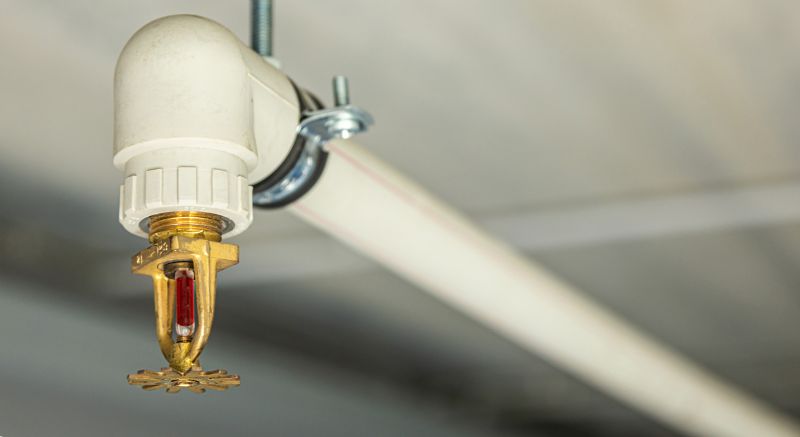
High-end options that actually feel worth it for Fire Sprinkler Installations.
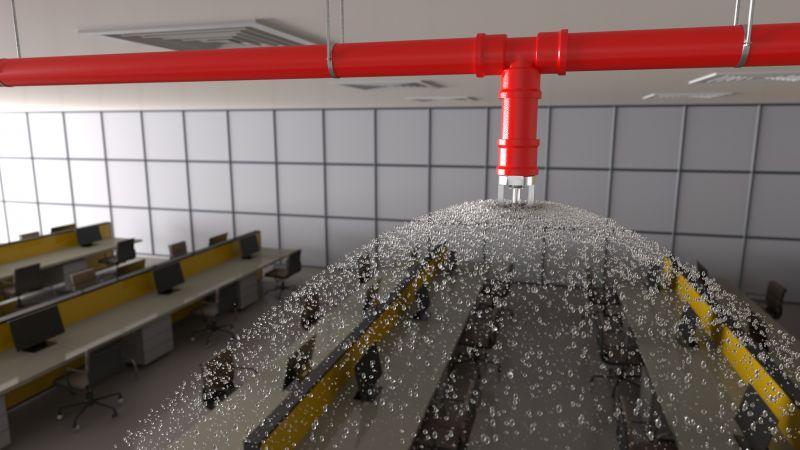
Finishes and colors that play nicely with Fire Sprinkler Installations.
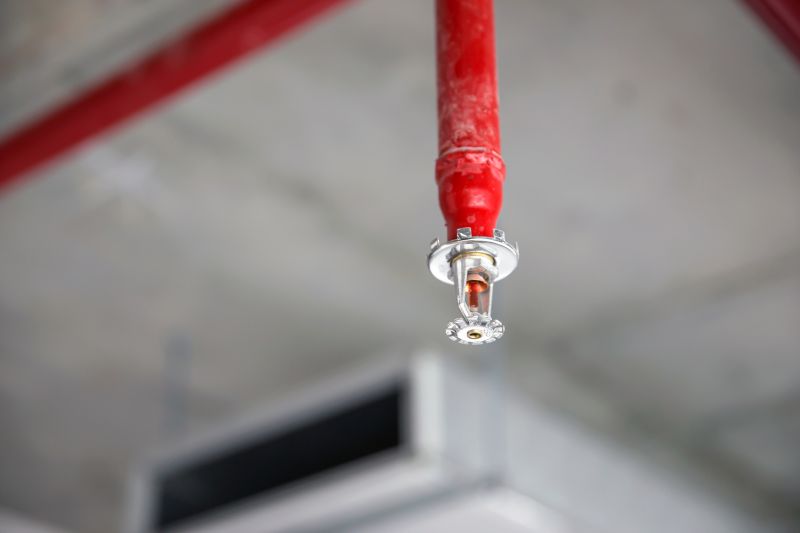
Little measurements that prevent headaches on Fire Sprinkler Installations day.
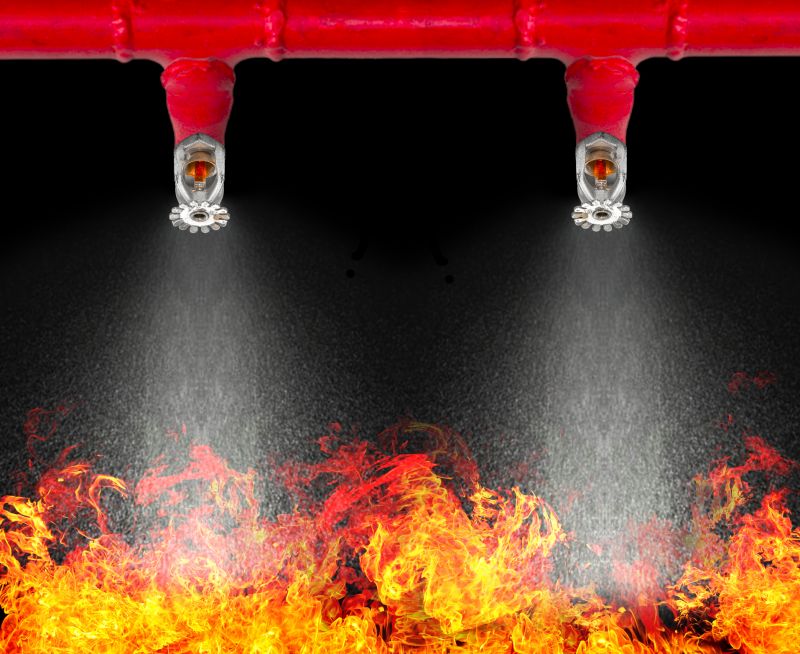
A 60-second routine that keeps Fire Sprinkler Installations looking new.
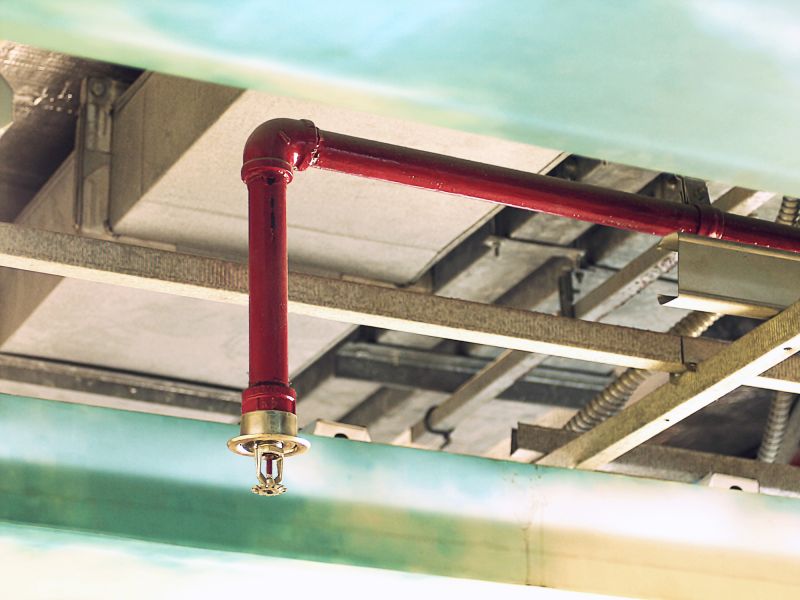
A frequent mistake in Fire Sprinkler Installations and how to dodge it.
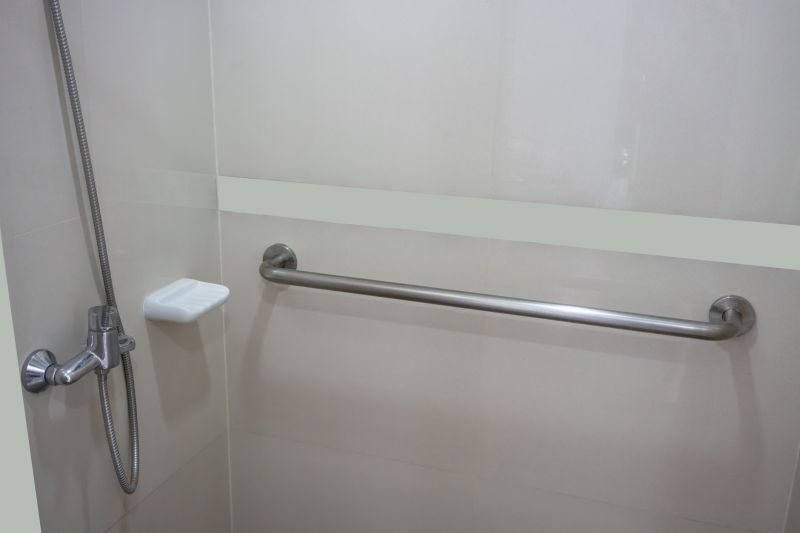
Small tweaks to make Fire Sprinkler Installations safer and easier to use.
Timely installation of fire sprinkler systems enhances safety and compliance, reducing potential liabilities. Proper planning ensures that the system is fully operational before occupancy or during critical phases of construction. Regular maintenance and inspections are essential to maintain system integrity and readiness. For buildings undergoing renovation or expansion, integrating sprinkler systems during the design phase provides the best results.
Interested in installing fire sprinkler systems? Fill out the contact form to receive more information and schedule an assessment.